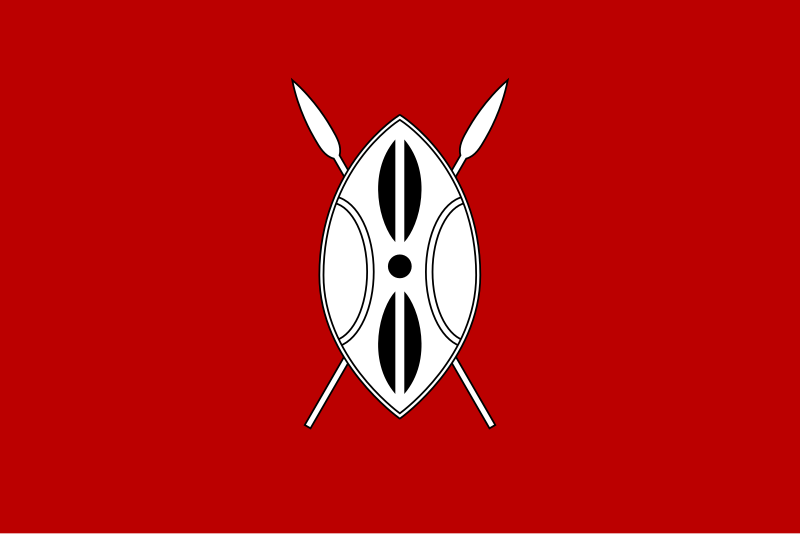
The Maasai are a Nilotic ethnic group inhabiting parts of Kenya and northern Tanzania. Their culture is rich with traditions, including a semi-nomadic lifestyle centered around cattle herding, a patriarchal social structure, and unique customs related to clothing, music, and dance.
Key aspects of Maasai culture:
Cattle-centric Lifestyle:
The Maasai consider cattle their primary source of wealth and livelihood, with the size of a herd reflecting a man’s status.
Patriarchal Society:
Maasai society is traditionally led by elder men who make decisions for the community.
Unique Clothing:
The Maasai are known for their distinctive clothing, particularly the brightly colored shuka cloth.
Music and Dance:
Music and dance are integral to Maasai culture, with women often singing songs of praise and lullabies.
Traditional Beliefs:
The Maasai worship a single God, Engai or Enkai, who is believed to have created cattle for them.
Age-Set System:
The Maasai have an age-set system where individuals progress through different stages of life with distinct roles and responsibilities.
Warrior Culture:
Young Maasai men go through a warrior phase, undergoing rituals and ceremonies like circumcision to become warriors.
Adaptation to Modernity:
While maintaining their traditions, the Maasai are also adapting to modern influences, integrating into the 21st century.