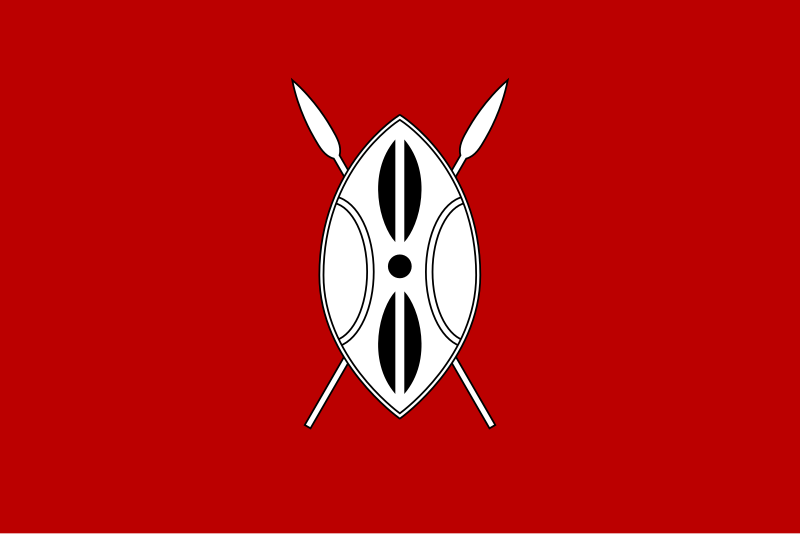
The Maasai, an indigenous ethnic group, primarily reside in Kenya and Tanzania. Their history, rooted in oral traditions, indicates they originated in the Nile Valley and migrated south, settling in the Great Rift Valley region by the 17th-18th centuries. They became known for their warrior culture, cattle herding, and distinctive customs.
Key aspects of Maasai history:
Origins and Migration: The Maasai trace their ancestry to the Nile Valley, specifically the region of modern-day Sudan. They began migrating south around the 15th century, with their arrival in East Africa coinciding with the 17th and 18th centuries.
Dominance in the Rift Valley:
By the 19th century, the Maasai had established control over vast swathes of the Great Rift Valley and surrounding areas. Their dominance was marked by successful cattle raids and a reputation for fierce warrior skills.
British and German Colonization:
In the late 19th and early 20th centuries, British and German colonial forces gradually displaced the Maasai from their traditional lands. Treaties and military force led to the Maasai being relocated to less fertile areas in Kenya and Tanzania, with a significant loss of their ancestral lands.
Land Loss and Relocation:
The Maasai faced significant challenges due to colonial policies, including land appropriation, disease outbreaks (smallpox, rinderpest), and drought. This resulted in relocation and reduced access to resources.
Cultural Resilience:
Despite these challenges, the Maasai have maintained their distinct cultural identity, including their language (Maa), traditional attire, and social structures.
Modern Maasai:
Today, the Maasai population is estimated to be around 1.2 million, with a significant presence in both Kenya and Tanzania.
They continue to practice their traditional way of life, including cattle herding, though they also engage with modern economies and societies.
Cultural tourism has become an important aspect of Maasai life, with many communities participating in cultural tourism initiatives.
Maasai communities are actively involved in conservation efforts, working to protect their ancestral lands and wildlife.
Maasai village at the gate of Amboseli national park
Maasai that live in village are at the entrance of Amboseli national park which is full of wildlife.
We as a villagers keep livestock – cattle, sheeps, goats, donkeys, dogs and cats. Donkeys are our main mean of transportation for getting water which is very far from our village.
We also collect firewood for cooking.
In time of war our warriors defend village and comunity. They also make preparations for our livestock during winter season.
In Iremito village there are around 3000 people.